Skip to content
The Stygian Labyrinth Exploring since 1999.

Guild of Lost Lore · Encounter Library

Encounters for the session you need to run

Ready-to-use situations with a clear objective, active pressure, tactical movement, and more than one possible way forward.

A problem, not a roadblock

A monster is not an encounter until the players have something to decide

Each Guild of Lost Lore encounter begins with a situation that can change. Creatures have objectives. Terrain matters. Delays create costs. Players can fight, but defeating every opponent is not automatically the only way to succeed.

Encounter dossiers

Choose the pressure you want at the table

Filter by encounter type, environment, theme, or character level. These filters are powered by the same structured fields used when each encounter is created.

SL-E-004

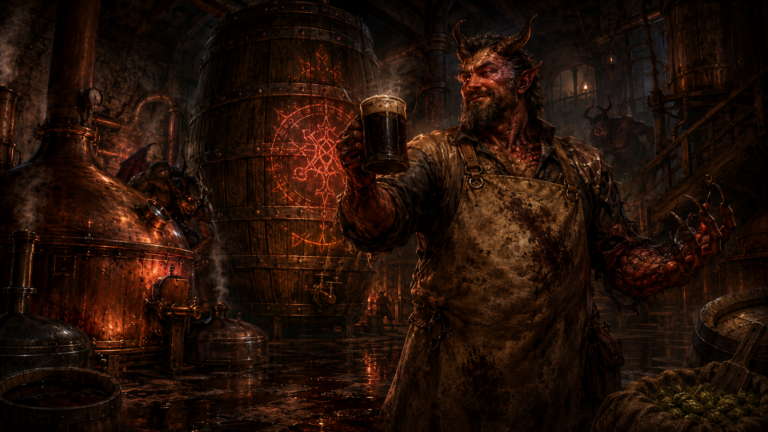
The Cinderhop Brewhouse

A level-8 infernal brewery encounter with a ticking cask, volatile fermentation vats, a cambion brewmaster, and an entire town's souls on the line.

Party
4–6 characters
Level
Levels 7–9
Type
Combat · Hazard
Environment
Brewery

SL-E-003

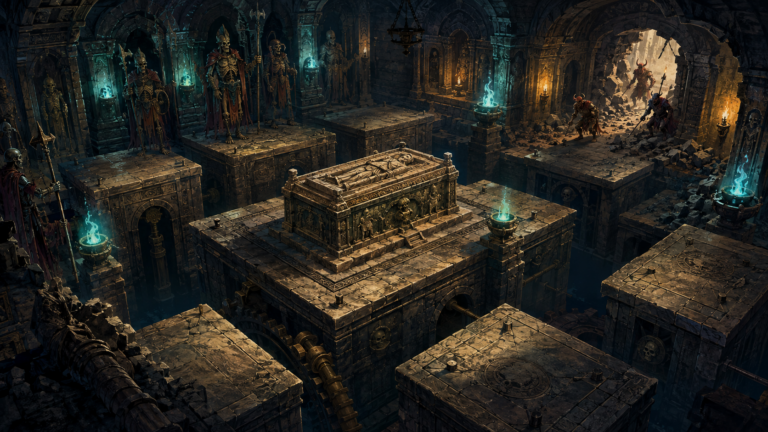
The Ruins of the Forgotten Crypt

A level-5 dark fantasy encounter featuring a shifting crypt floor, undead wardens, fiendish rivals, and a sealed sarcophagus worth fighting—or bargaining—for.

Party
4–5 characters
Level
Level 5
Type
Combat · Hazard · Puzzle
Environment
Crypt

SL-E-002

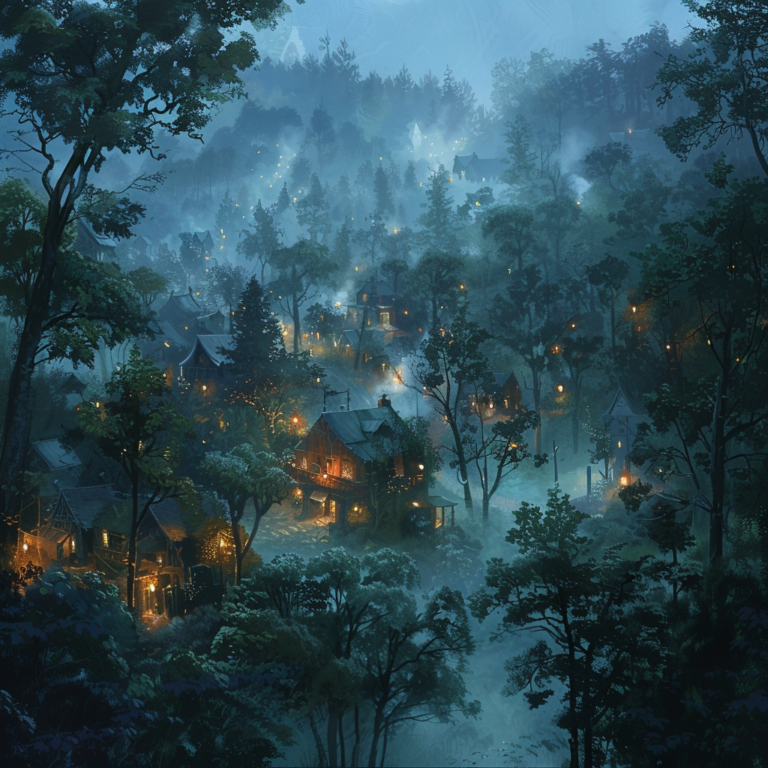
The Howling Shadows of Nighthollow

A ready-to-run D&D village-defense encounter for 1st-level characters, featuring spectral wolves, protective ward lanterns, moving fog, a balanced Direwolf Wraith, and a curse the party can break.

Party
4–5 characters
Level
Level 1
Type
Combat
Environment
Village

SL-E-001

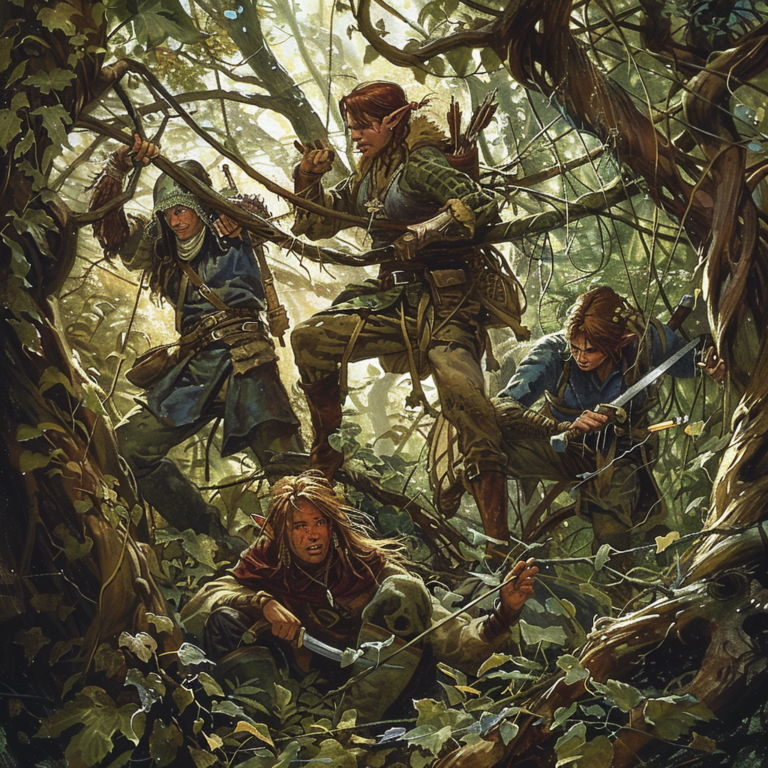
The Treacherous Trails of Tanglewood

A ready-to-run D&D forest encounter for four 3rd-level characters, featuring four mechanical traps, goblin hit-and-run tactics, a Trapmaster mini-boss, scaling guidance, and campaign hooks.

Party
4 characters
Level
Level 3
Type
Combat · Exploration · Hazard
Environment
Forest

The dossier standard

Every encounter should give the GM enough context to make decisions at the table

A changing situation

What is happening before the characters arrive and what changes if nobody intervenes.

A usable objective

What the characters can accomplish besides reducing every opponent to zero hit points.

Active pressure

Terrain, clocks, hazards, factions, reinforcements, or other forces that keep the scene moving.

Ways to adapt it

Practical guidance for changing difficulty, setting, pacing, participants, or consequences.

Build outward

One encounter can remain a scene or become the start of something larger.

Need something larger?

Connect several situations through consequences, changing stakes, and factions that respond to the characters.

Explore Adventures →

Need a stronger setting?

Give the location history, power, resources, and fear that continue producing play after the encounter ends.

Explore Worldbuilding →